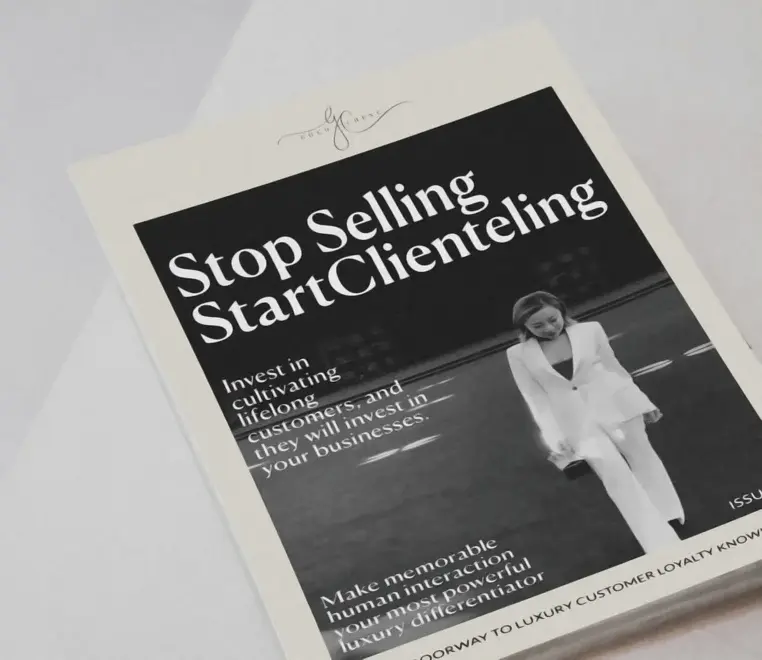
Is your business currently grouping VIPs and VICs together?
Developing a differentiated engagement strategy tailored to the unique needs of these two valuable groups is not only important but urgent for maximising your business investment and ensuring continued loyalty.
What is the difference between VIP and VIC in luxury retail?
𝗧𝗵𝗲 ‘𝗣’ 𝗶𝗻 𝗩𝗜𝗣𝘀 𝘀𝘁𝗮𝗻𝗱𝘀 𝗳𝗼𝗿 𝗣𝗿𝗲𝘀𝗲𝗻𝘁𝘀. These are the celebrities, KOLs, and founders’ friends that the business gifts products to or dresses to represent the brand. Their role is crucial in supporting the building of brand endorsement among the select group of the target audience, and their unique influence is a valuable asset to the business.
𝗧𝗵𝗲 ‘𝗖’ 𝗶𝗻 𝗩𝗜𝗖𝘀 𝘀𝘁𝗮𝗻𝗱𝘀 𝗳𝗼𝗿 𝗖𝗮𝘀𝗵. VICs are the clients who spend money with the business and demonstrate their loyalty through their financial and time investment in the brands. Their consistent patronage and financial contribution play a significant role in building the brand’s commercial success.
Three strategies to manage VIPs and VICs differently
VIPs and VICs should be segmented, taken care of, evaluated and rewarded differently; examples are:
1. 𝗘𝗻𝗴𝗮𝗴𝗶𝗻𝗴 𝗩𝗜𝗣𝘀 𝗮𝗻𝗱 𝗩𝗜𝗖𝘀 𝗿𝗲𝗾𝘂𝗶𝗿𝗲𝘀 𝗱𝗶𝗳𝗳𝗲𝗿𝗲𝗻𝘁 𝗮𝗽𝗽𝗿𝗼𝗮𝗰𝗵𝗲𝘀:
VIPs, typically managed by the PR or Marketing function, benefit from collaborations and social media exposure. VICs, on the other hand, appreciate personal shopping experiences facilitated by Client Advisors or Stylists.
2. 𝗖𝗼𝗻𝘀𝗶𝗱𝗲𝗿 𝗮 𝘁𝗮𝗶𝗹𝗼𝗿𝗲𝗱 “𝗺𝗲𝗮𝘀𝘂𝗿𝗲 𝗼𝗳 𝘀𝘂𝗰𝗰𝗲𝘀𝘀”:
VIPs could be measured by the exposure they create for the brand and the followers they help the brands to grow, while VICs are measured by their sales contribution, frequency, and recency of visits.
3. 𝗗𝗶𝗳𝗳𝗲𝗿𝗲𝗻𝘁𝗶𝗮𝘁𝗲 𝘁𝗵𝗲𝗶𝗿 𝗯𝗲𝗻𝗲𝗳𝗶𝘁𝘀:
Implement tiered and personalised rewards for your VICs based on spending and visits and provide early access to new collections. VIPs are more interested in being included in large-scale brand events or collaborations.
How should luxury brands engage VICs differently from VIPs?
Consider a luxury fashion house engaging two valuable individuals.
A celebrity receives a designer outfit for a high-profile event. The brand’s objective is visibility among its target audience, so the marketing team evaluates relevant media coverage and audience engagement.
Meanwhile, a loyal VIC regularly purchases across several collections. The brand’s client advisor maintains a personal relationship, understands preferences, arranges private appointments and provides early access to relevant collections.
Both relationships create value, but their objectives, ownership and measurement differ.
This illustrates why luxury brands need separate engagement strategies while recognising that individuals can belong to both groups.
The commercial importance of high-value clients is reinforced by BCG and Altagamma’s luxury consumer research, which highlights the strategic importance of top-tier clients for luxury brands.
Are You Investing in the Right Luxury Client Relationships?
Effective luxury client segmentation goes beyond recognising your biggest spenders or most influential brand advocates. It requires a strategy for engaging each group and measuring the value they create.
Gogo Cheng Consulting helps luxury brands strengthen clienteling strategies, customer relationships and long-term commercial performance.
Explore our consulting services or contact us to discuss your luxury clienteling strategy around VIC and VIP.
FAQ about VIC vs VIP
What does VIC mean in luxury retail?
VIC stands for Very Important Client. In luxury retail, the term typically refers to a high-value customer recognised for their purchasing history, loyalty and relationship with the brand.
What is the difference between VIP and VIC?
A VIP is generally recognised for their status or influence, while a VIC is recognised for their value as a customer. The distinction helps luxury brands tailor engagement, benefits and performance measurement.
How do luxury brands identify VICs?
Luxury brands may identify VICs using purchase frequency, spending, customer lifetime value, recency and relationship history. Criteria vary by brand, market and customer segment.
How can luxury brands retain VICs?
Luxury brands can strengthen VIC retention through personalised clienteling, dedicated advisors, relevant communication, exclusive experiences and consistent recognition.
Can someone be both a VIP and a VIC?
Yes. A celebrity or influential individual who is also a high-value purchasing customer may qualify as both. Brands should consider both their commercial and brand influence contributions.